
Root Tip Forceps 101: The Ultimate Guide
- , by SurgiMac
- 39 min reading time
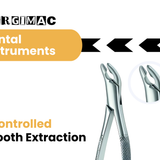
Find out how root tip forceps help with precise extractions. Learn about types, uses, and what to look for when choosing forceps for your dental practice.
Nothing disrupts your schedule like a fractured root during a routine extraction. This common complication can turn a straightforward procedure into a time-consuming, stressful event. That's why having the right root tip forceps immediately available is essential for a smooth workflow. A durable and reliable instrument, like those found in our Hexa Series, allows you to work with confidence, saving valuable chair time and reducing anxiety for both you and your patient. It’s a critical investment in a more predictable and efficient practice.
Key Takeaways
- Select the Right Forceps for Each Scenario: Your success depends on matching the instrument to the clinical situation. Use straight forceps for anterior teeth and angulated designs for posterior access, and opt for serrated jaws to get a secure grip on difficult fragments.
- Invest in Quality and Ergonomics: Choose forceps made from surgical-grade stainless steel for durability and corrosion resistance. Prioritize ergonomic handles, like those in the Pro or Hexa Series, to ensure better control and reduce hand fatigue during procedures.
- Proper Maintenance Maximizes Instrument Lifespan: Protect your investment and ensure patient safety with consistent care. Follow strict cleaning and sterilization protocols, and regularly inspect your instruments for wear to guarantee they perform reliably every time.

Root Tip Forceps: What Are They and How Do They Work?
Root tip forceps are specialized dental instruments designed for one critical task: removing fractured root fragments that remain in the alveolar bone after a tooth extraction. Unlike standard extraction forceps, which are built to grip the crown of a tooth, root tip forceps feature fine, narrow beaks that can precisely grasp small, delicate root tips without causing unnecessary trauma to the surrounding bone and soft tissue. Their design allows you to access tight spaces deep within the socket, ensuring a clean extraction site and preventing future complications like infection or delayed healing. Think of them as the precision tool you reach for when the main job is done, but the final, crucial details need expert handling.
Why They're Essential for Tooth Extractions
Even with a flawless technique, tooth roots can fracture during an extraction, especially if they are curved, brittle, or ankylosed. When a root tip breaks off and remains in the jaw, it acts as a foreign body, creating a risk for infection, chronic inflammation, and pain. A successful root tip extraction is essential for ensuring the site heals properly and preparing the patient for future restorative work, such as a dental implant. Root tip forceps are the primary instrument for this procedure, allowing you to securely grip the fragment and retrieve it with minimal disruption to the socket, promoting a smoother and faster recovery for your patient.
Key Design Features for Unmatched Precision
The effectiveness of root tip forceps comes down to their specific design. They typically feature long, slender beaks—or jaws—that taper to a fine point, allowing you to navigate deep into the socket with excellent visibility. These beaks are often serrated to provide a firm, non-slip grip on the root fragment. Equally important are the ergonomic handles, which are crafted to provide a steady, controlled grip, preventing hand fatigue during delicate maneuvers. High-quality instruments, like those in SurgiMac’s Hexa Series, are made from premium-grade stainless steel, ensuring durability, corrosion resistance, and the ability to withstand repeated sterilization cycles without compromising performance.
Knowing When to Use Root Tip Forceps
Root tip forceps are indicated anytime a root fragment is left behind following an extraction. The specific type of forceps you use often depends on the location of the tooth. Straight forceps are generally easier to use in the anterior region of the mouth, where direct access is possible. For posterior teeth, especially in the maxillary and mandibular molar areas, angulated forceps are indispensable. Their bent beaks provide the necessary reach and leverage to access fragments without awkward hand positioning. Ultimately, while certain designs are optimized for specific areas, the choice often comes down to your experience and personal preference, highlighting the importance of having a versatile set of dental instruments in your practice.
The Role of Root Tip Forceps in Apicectomy
While root tip forceps are most commonly associated with managing complications after a standard extraction, their utility extends into more complex endodontic surgeries. One of the most important of these is the apicectomy, a procedure where precision is not just preferred—it's required. In this surgical context, root tip forceps are not used for leverage but for their delicate retrieval capabilities. They allow the clinician to meticulously clean the surgical site by removing tiny root fragments, ensuring the area is free of debris that could compromise healing. This specialized application highlights the versatility of these instruments and their indispensable role in preserving natural dentition through advanced surgical techniques.
What is an Apicectomy?
An apicectomy, also known as root-end surgery, is a precise surgical procedure performed when conventional root canal therapy has failed to resolve an infection at the apex, or tip, of a tooth's root. It involves making an incision in the gum tissue to directly access the underlying bone and the infected root tip. The surgeon then removes the very end of the root along with any inflamed or infected periapical tissue. The goal is to eliminate the source of the infection and create a clean environment that allows the surrounding bone to heal, ultimately saving a tooth that might otherwise require extraction.
Why This Procedure is Necessary
An apicectomy becomes necessary when an infection persists after a root canal. This can happen for several reasons, such as complex root anatomy with small, inaccessible canals or a cyst that has formed at the root tip. If left untreated, this persistent infection can lead to chronic pain, swelling, and damage to the adjacent bone structure. The infected root tip can act as a constant source of inflammation, preventing the body from healing properly. By surgically removing the problematic apex and sealing the root end, an apicectomy directly addresses the issue, providing a definitive solution to save the tooth and restore oral health.
The Apicectomy Procedure: A Step-by-Step Overview
Performing an apicectomy requires a systematic approach and meticulous attention to detail. The procedure is a blend of surgical skill and endodontic principles, all aimed at eradicating infection from the root apex. From ensuring the patient is completely comfortable to the final suture, each step is critical for a successful outcome. The process involves gaining access to the root, resecting the infected tip, cleaning the area, and sealing the canal to prevent reinfection. High-quality surgical instruments are essential throughout this entire workflow to ensure precision and predictability.
Anesthesia and Patient Preparation
The first and most critical step in any surgical procedure is ensuring the patient is comfortable and the operative site is fully anesthetized. For an apicectomy, local anesthesia is administered to completely numb the tooth and surrounding gum and bone tissue. This ensures a pain-free experience for the patient, allowing the clinician to work efficiently and without interruption. Proper patient preparation sets the foundation for a smooth procedure, creating a controlled environment where the focus can remain entirely on the precise surgical tasks at hand.
The Surgical Process from Incision to Suture
Once the area is numb, the procedure begins with a small incision in the gum tissue to create a flap, exposing the bone over the tooth's root. A small window is then prepared in the bone to reveal the infected root tip. After removing the inflamed tissue, the end of the root is resected. This is the moment where a quality pair of root tip forceps becomes invaluable. Their fine, narrow beaks are perfectly designed to grasp and remove any small, fractured root fragments from the surgical site with minimal trauma. Ensuring a completely clean field is essential for healing, and instruments from our Pro Series provide the reliability needed for such delicate work. After the site is clean, a small filling seals the root canal, the gum flap is repositioned, and the incision is closed with sutures.
A Guide to the Different Types of Root Tip Forceps
Root tip forceps are not a one-size-fits-all tool. Their effectiveness comes from specialized designs that address the unique challenges of different teeth and clinical situations. Understanding the variations in angulation, size, and jaw design is key to selecting the right instrument for a clean, efficient extraction. When a root tip fractures below the alveolar crest, having the correct forceps can mean the difference between a straightforward procedure and a complicated surgical extraction. The goal is always to retrieve the fragment with minimal trauma to the surrounding bone and soft tissue, preserving the site for future restorations. This is where the subtle but critical differences in forceps design come into play. From straight forceps ideal for anterior work to serrated jaws that provide an unshakeable grip, each feature is engineered to give you better control and precision. Choosing the right instrument helps you work more confidently and efficiently, leading to better patient outcomes. Let's look at the most common types and what makes each one suited for specific applications in your practice.
Straight vs. Angulated: Which Design Gives Better Access?
The geometry of your forceps directly impacts your ability to access and grip a root fragment. Straight forceps are generally the go-to for anterior teeth. Their linear design aligns perfectly with the front of the mouth, making it easier to approach and grasp root tips without awkward wrist positioning. Angulated forceps, on the other hand, are designed with curves and bends to navigate around the curvature of the dental arch. This makes them indispensable for reaching posterior teeth and fragments in difficult-to-see areas. While some experienced clinicians can adapt angulated forceps for nearly any scenario, having both types in your dental instrument toolkit ensures you’re prepared for any extraction.
Common Angles for Precision: 30, 45, and 90 Degrees
The specific angulation of forceps is a matter of ergonomic and clinical precision, not just a design choice. Angles like 30 and 45 degrees are engineered to help you work in the posterior regions of the mouth. This offset allows the instrument's head to reach around the curvature of the dental arch, providing a direct line of access to molar and premolar root tips without straining your wrist. For instance, mandibular forceps often feature a sharp, near-90-degree angle between the handles and the beaks. This design is specifically tailored to the vertical trajectory required for lower jaw extractions, ensuring you can apply force effectively and maintain a clear view of the surgical site. Having a versatile set of these specialized dental instruments ensures you are prepared for any anatomical challenge.
Choosing the Right Forceps for Anterior and Posterior Teeth
Beyond the basic straight or angulated design, root tip forceps come in configurations specifically tailored for anterior and posterior applications. Forceps for anterior teeth often have fine, narrow beaks that can precisely grip small incisor or canine root tips. In contrast, forceps designed for posterior teeth, like molars and premolars, may feature broader or more curved beaks to accommodate larger, multi-rooted fragments. Some designs also include longer beaks to reach deeper into the socket. Having a versatile collection, such as SurgiMac’s Pro Series, ensures you have the right instrument on hand to match the specific anatomy of the tooth you’re working on.
How to Match Forceps Size to the Clinical Need
The active part of the forceps—the tip or beak—is meticulously sized and shaped to match the anatomy of different tooth roots. Roots can be conical, straight, convergent, or fused, and the forceps' beaks are designed to conform to these shapes for a secure grip. A smaller, more delicate beak is necessary for fine, fragile root tips, while a larger, more robust beak is required for substantial fragments. Choosing the correct size prevents the instrument from slipping and reduces the risk of fracturing the root tip further. This precise matching of instrument to anatomy is fundamental to performing a successful and minimally invasive extraction.
Standard Sizing for Root Tip Forceps
While standard extraction forceps often follow a universal numbering system (like the American Pattern numbers #150 or #151), sizing for root tip forceps is typically more descriptive. Instead of a single number, you’ll find them categorized by the characteristics of their beaks—fine, narrow, broad, or serrated. The "size" directly relates to the clinical task at hand. Fine, delicate beaks are the standard for anterior teeth or retrieving small, fragile fragments where precision is paramount. Broader, more robust beaks are better suited for larger root fragments from molars. Having a selection of these different "sizes" is crucial because using forceps with beaks that are too large can crush a delicate root tip, while beaks that are too small won't provide a secure grip. Collections like SurgiMac’s Slim Series are designed with these principles in mind, offering ergonomic instruments with fine tips for precise control.
Serrated vs. Smooth Jaws: Which Grip is Best?
The surface of the forceps' jaws plays a critical role in how securely you can grasp a root tip. Serrated jaws feature fine, grooved patterns that provide a superior, non-slip grip, which is especially helpful when dealing with wet or fragile root fragments. This design significantly reduces the chance of the tip slipping during extraction. Smooth jaws, while less common for root tip forceps, may be preferred in situations where the primary concern is avoiding any marking on the root surface. For most extractions, the enhanced control offered by serrated jaws, often found on instruments in the durable Hexa Series, makes them the more reliable choice for predictable outcomes.
Specialized Forceps for Challenging Extractions
While standard root tip forceps handle most situations, some extractions present unique difficulties that call for more specialized tools. Deeply fractured roots, fragments in tight interproximal spaces, or limited access in the posterior region can test the limits of conventional instruments. For these moments, specialized forceps are not a luxury—they are a necessity. These instruments are engineered with specific tip designs and angulations to provide superior access, visibility, and grip in the most demanding clinical scenarios. Having these tools in your armamentarium allows you to approach complex cases with greater confidence, ensuring you can retrieve every last fragment while minimizing trauma to the surrounding tissues and preserving the integrity of the alveolar bone.
Stieglitz and Peet's Forceps for Root Fragments
When you're faced with retrieving the smallest, most delicate root fragments, Stieglitz and Peet's forceps are the instruments you’ll want to reach for. These forceps are distinguished by their extremely fine, pointed beaks and delicate, scissor-like handles, which allow for exceptional tactile sensitivity and precision. Their design is perfect for navigating deep into the socket to grasp tiny remnants that other forceps might miss or crush. Think of them as the ultimate finishing tool for an extraction, ensuring no piece is left behind. Using these specialized extraction forceps helps you work with surgical accuracy, protecting the surrounding bone and promoting a clean, complication-free healing environment for your patient.
Understanding Advanced Tip Designs: Spade, Bayonet, and Tapered
The business end of the forceps—the tip—is where the real work happens, and advanced designs provide solutions for specific clinical challenges. Tapered beaks are the standard for precision, allowing you to reach deep into the socket with excellent visibility. Spade-shaped tips offer a wider surface area, which is ideal for gaining a secure purchase on larger or more substantial root fragments. Bayonet-style forceps feature an offset shank, which keeps your hand out of your line of sight and provides unparalleled access to posterior teeth, especially in the maxillary arch. Many of these advanced designs, like those found in our Pro Series, incorporate fine serrations to ensure a non-slip grip on wet or brittle fragments, giving you the control needed to manage even the most difficult extractions successfully.
How to Choose the Best Root Tip Forceps for Your Practice
Choosing the right root tip forceps is a critical decision that directly impacts your clinical efficiency and patient outcomes. While they may seem like simple tools, the nuances in their design—from the material they’re made of to the ergonomics of their handles—make a significant difference. A high-quality instrument feels like a natural extension of your hand, providing the control and tactile feedback needed for delicate procedures. Investing in the right forceps isn’t just about buying a tool; it’s about ensuring you can perform extractions with confidence, precision, and minimal trauma to surrounding tissues.
When evaluating your options, consider the complete picture: durability, comfort, jaw design, and overall balance. Each of these factors contributes to the instrument's performance during a procedure and its longevity within your practice. Making an informed choice means you’ll have reliable dental instruments that can withstand the demands of daily use and rigorous sterilization, ultimately supporting the high standard of care you provide.
Why Surgical-Grade Steel is a Must-Have
The foundation of any reliable dental instrument is the material it’s made from. For root tip forceps, surgical-grade stainless steel is the industry standard for good reason. This material offers exceptional strength and is highly resistant to corrosion, which is essential for tools that undergo repeated sterilization cycles. Premium forceps crafted from high-quality stainless steel maintain their structural integrity and precision over time, ensuring they won’t bend or fail under pressure. When you select an instrument made from superior steel, like those in SurgiMac’s Pro Series, you’re investing in durability and consistent performance that you can count on for years to come.
How Ergonomic Handles Improve Your Grip and Control
A successful extraction often comes down to control, and that starts with your grip. Forceps with ergonomic handles are designed to fit comfortably in your hand, reducing muscle strain and fatigue during lengthy or complex procedures. Look for features like a lightweight construction, a balanced feel, and a non-slip texture. These elements allow you to maintain a steady, secure grip, even in wet conditions. For example, the Hexa Series features ergonomic hollow handles that enhance maneuverability, while the compact design of the Slim Series is built for efficiency and comfort. The right ergonomics give you the confidence to apply precise, controlled force exactly where it’s needed.
What to Look for in Jaw Design and Tip Precision
The business end of the forceps—the jaws and tips—is where precision matters most. Root tip forceps are characterized by their fine, narrow jaws, which are specifically designed to access and grasp small, fractured root fragments deep within the socket. This design allows for secure purchase on the root while minimizing contact and potential trauma to the surrounding alveolar bone. When selecting forceps, examine the tips closely. They should align perfectly to ensure a firm, positive grip. Whether you prefer serrated jaws for extra traction or smooth jaws for a more delicate touch, the precision of the construction is non-negotiable for a successful outcome.
Don't Overlook Instrument Balance and Easy Sterilization
A well-balanced instrument enhances your tactile sensitivity, allowing you to feel subtle movements and resistance during an extraction. This balance, combined with a lightweight design, prevents the instrument from feeling cumbersome and improves your overall control. Beyond its performance in your hand, consider how the instrument will hold up to your practice’s infection control protocols. High-quality forceps are engineered to withstand repeated autoclaving without rusting, warping, or degrading. A smooth, seamless finish is also important, as it prevents the accumulation of bioburden and makes the instrument easier to clean and sterilize effectively, ensuring patient safety.
Spring-Loaded vs. Standard Forceps
Spring-loaded forceps are engineered with an internal spring that applies continuous, steady pressure on the root fragment, which can significantly enhance your control and minimize hand fatigue. This design is particularly beneficial during complex or lengthy extractions where maintaining consistent force is crucial. Instruments like physics forceps, which often incorporate this type of mechanism, are designed to apply force more controllably, reducing the risk of iatrogenic damage. In fact, clinical studies have shown that these designs can decrease the incidence of crown and root fractures by allowing for a more biomechanically advantageous extraction process, preserving the surrounding bone and tissue.
In contrast, standard forceps depend entirely on the clinician's manual strength to generate and maintain pressure. While they are the traditional tool for extractions and offer direct tactile feedback, they can also lead to greater hand fatigue and a less consistent application of force. This variability can sometimes increase the risk of complications, such as fracturing the root or adjacent bone. However, the importance of high-quality standard forceps cannot be overstated. Instruments with superior ergonomics and balance, like those in the Air Series, are designed to maximize your control and efficiency, making them an indispensable part of any modern dental practice.
Is a Diamond-Coated Surface Worth the Investment?
For clinicians looking for an extra edge in performance, forceps with advanced surface coatings are an excellent option. Features like diamond-coated tips provide a significantly stronger grip on root fragments, which is especially useful in challenging cases where the tooth is fragile or the field is wet. This enhanced traction can reduce the risk of slippage, preventing iatrogenic damage and making the extraction more efficient. Similarly, other innovations like the non-reflective finish on our Titanium Black Series instruments can improve visibility by reducing glare from overhead lights. These advanced features are designed to solve common clinical challenges and help you work with greater precision and confidence.
Exploring Other Advanced Coatings
While diamond coatings are excellent for maximizing grip, they aren't the only advanced surface treatment available. Other coatings are engineered to enhance different aspects of an instrument's performance, from durability to visibility. For example, certain coatings can increase the surface hardness of the stainless steel, making the instrument more resistant to wear and scratches over time. A key innovation is the use of non-reflective finishes, which are designed to solve the common problem of glare from overhead operatory lights. Our Titanium Black Series instruments feature this type of coating, which improves visual contrast and reduces eye strain, allowing you to work with greater precision. These specialized surfaces are not just cosmetic; they are functional enhancements that contribute to more predictable and successful clinical outcomes.
Your Guide to Buying Professional Root Tip Forceps
What Should You Expect to Pay for Quality Forceps?
When it comes to extraction instruments, the initial price tag only tells part of the story. Investing in high-quality root tip forceps is an investment in your practice’s efficiency and patient outcomes. As practitioners know, durability and performance are top priorities, and surgical-grade stainless steel remains the standard for quality dental instruments. While premium forceps may have a higher upfront cost, their superior construction prevents corrosion, withstands repeated sterilization cycles, and maintains precise alignment. This longevity translates to a lower total cost of ownership, saving you from the frequent replacements and potential frustrations associated with lower-quality alternatives. A reliable instrument performs predictably, ensuring smoother procedures and greater confidence.
Typical Price Range for Professional-Grade Forceps
Generally, you can expect the price for professional-grade root tip forceps to fall between $150 and $350. Standard models typically land in the middle of that range, while more specialized designs or those with advanced features might sit at either end of the spectrum. While you might find instruments priced lower, this range generally reflects the cost of high-quality, surgical-grade stainless steel and precision engineering. This investment ensures you get a tool that not only performs reliably but also withstands the demands of daily use and sterilization. When you browse forceps from trusted suppliers, you're paying for the confidence that comes with a well-balanced, durable instrument designed for predictable clinical outcomes.
Spotlight: SurgiMac’s Pro and Hexa Series Forceps
At SurgiMac, we’ve designed instrument lines to meet specific clinical demands. Our Pro Series offers high-performance forceps that deliver the reliability and balance required for daily excellence. Crafted from premium-grade stainless steel, they provide the accuracy you can depend on. For more demanding surgical procedures, the Hexa Series is engineered with ergonomic hollow handles and non-slip grips to ensure maximum control and precision under pressure. Many premium forceps, including those in our collections, incorporate Tungsten Carbide (TC) inserts, which further enhance grip and durability for long-lasting performance. These collections give you trusted options tailored to your procedural needs.
What Factors Influence the Final Price?
Several key factors determine the cost of professional root tip forceps. The primary driver is the material; premium forceps are crafted from surgical-grade stainless steel, ensuring corrosion resistance and long-lasting performance. The manufacturing process also plays a significant role—precision engineering, hand-finishing, and rigorous quality control all contribute to a superior instrument. Ergonomic design, which improves handling and reduces fatigue, adds value and influences the price. Finally, features like specialized coatings that reduce glare or inserts made of Tungsten Carbide for enhanced grip reflect advanced engineering. A reputable brand’s investment in research, development, and warranty support is also factored into the final cost.
Smart Buying Tips for Your Dental Practice
To ensure you get the best value, it’s crucial to source your instruments from a trusted provider of dental equipment and supplies. Look for forceps designed with ergonomically shaped handles, as they enable you to maintain a steady grip, prevent slippage, and enhance control during delicate procedures. Don’t just focus on the initial price; consider the instrument’s entire lifecycle, including its durability and how well it holds up to sterilization. Reading reviews from fellow clinicians and choosing suppliers who stand behind their products with a solid warranty can give you confidence in your purchase. A reliable instrument from a dependable supplier is a cornerstone of effective clinical practice.
Specialized Use and Warranty Considerations
Beyond the daily demands of a human dental practice, the applications for high-quality instruments often extend into other specialized fields. The same principles of precision, durability, and minimal trauma apply universally, making professional-grade tools valuable in various clinical settings. At the same time, making a smart purchase involves looking beyond the immediate use and considering the long-term value of your investment. A manufacturer's warranty is a direct reflection of their confidence in the instrument's materials and craftsmanship, offering you assurance that your tools are built to last through countless procedures and sterilization cycles.
Use in Veterinary Dentistry
The challenges of tooth extraction are not unique to human patients. In veterinary dentistry, practitioners frequently encounter fractured roots that require delicate and precise removal. Root tip forceps are essential in these cases, allowing veterinarians to grasp small, brittle fragments without causing undue trauma to the surrounding bone and tissue in animals. The fine, narrow beaks of these instruments provide the necessary access and control to manage extractions effectively, promoting faster healing for their patients. High-quality, durable instruments like those in our Pro Series are trusted in both human and veterinary fields for their reliable performance and surgical-grade construction.
Understanding Product Warranties
A comprehensive warranty is more than just a policy; it’s a guarantee of quality and a safeguard for your investment. When you choose instruments from a reputable supplier, the warranty reflects the manufacturer's confidence in the product's durability and performance. It assures you that the forceps are engineered to withstand the rigors of daily use, including repeated sterilization, without compromising their integrity. Before purchasing, always review the warranty terms to understand what is covered, from material defects to craftsmanship. Investing in instruments backed by a solid warranty ensures you receive long-term value and peace of mind, knowing your tools are built to perform reliably for years.
Patient Recovery and Post-Operative Care
A successful extraction doesn't conclude once the root tip is removed; it extends into the patient's recovery period at home. Providing clear, comprehensive post-operative instructions is just as critical as the procedure itself. When patients understand what to expect and how to care for the extraction site, they are more likely to experience a smooth, complication-free healing process. This guidance not only ensures better clinical outcomes but also builds patient trust and reduces the likelihood of anxious, after-hours phone calls. Setting clear expectations about the recovery timeline and potential side effects empowers patients to become active participants in their own healing, leading to greater satisfaction and a more positive overall experience.
Managing Patient Expectations: The Recovery Timeline
One of the most effective ways to reduce patient anxiety is to provide a realistic healing timeline. It's important to explain that recovery happens in stages. While the initial gum tissue healing typically occurs within the first one to two weeks, the underlying bone takes much longer to fully regenerate. For most healthy adults, you can explain that they should feel significantly better within three to seven days, but complete bone healing can take anywhere from six to eight weeks or more. Communicating this distinction helps patients understand why they might feel tenderness for a while and why it's crucial to protect the site long after the initial discomfort subsides. This clear communication helps manage expectations and reinforces the importance of following post-operative care instructions carefully.
Key Post-Surgery Instructions for Patients
After an extraction, patients are often processing a lot of information and may not remember every verbal instruction. Providing a simple, printed take-home sheet with clear post-operative guidelines is a best practice that ensures they have a reliable reference. This sheet should cover the essential aspects of at-home care, including pain management, diet, oral hygiene, and how to handle common issues like bleeding and swelling. Breaking down the instructions into easy-to-follow steps helps prevent common complications, such as dislodging the blood clot, and gives patients the confidence to manage their recovery effectively. Ultimately, these instructions are a vital tool for promoting proper healing and ensuring a successful outcome.
Pain Management and Rest
Managing post-operative discomfort is a top priority for patients. Advise them on an appropriate pain relief schedule, whether it involves prescription medication or over-the-counter NSAIDs, and emphasize the importance of taking the first dose before the local anesthetic wears off completely. Just as crucial is the need for rest. Encourage patients to take it easy for at least the first 24 to 48 hours, avoiding strenuous activity that could increase blood pressure and lead to further bleeding at the extraction site. Adequate rest allows the body to focus its energy on healing and helps ensure the crucial initial blood clot remains stable and undisturbed.
Oral Hygiene and Diet
Maintaining oral hygiene without disrupting the healing socket is a delicate balance. Instruct patients to avoid brushing the extraction site directly for the first few days but to continue brushing and flossing their other teeth as usual. After 24 hours, a gentle rinse with warm salt water can help keep the area clean and reduce bacteria. On the dietary front, a soft food diet is essential for the first few days. Remind patients to avoid using straws, smoking, or spitting forcefully, as the suction can dislodge the blood clot and lead to a painful dry socket. Simple, clear guidance on these points is key to preventing complications.
Managing Bleeding and Swelling
It's normal for some minor bleeding to occur for several hours after an extraction. Instruct patients to bite down firmly on a sterile gauze pad, which you can provide from your stock of dental disposables, for 30 to 60 minutes to help control it. Swelling is also a common part of the inflammatory response, typically peaking around two to three days post-procedure. Recommending the use of an ice pack on the outside of the cheek for 20-minute intervals during the first 24 to 48 hours can significantly help manage inflammation and provide additional comfort. These simple, proactive steps can make a major difference in a patient's recovery experience.
Potential Complications and Follow-Up Care
While the vast majority of extractions heal without any issues, it's important to educate patients on the warning signs of potential complications. This knowledge empowers them to seek timely care if something feels wrong, preventing minor issues from becoming more serious problems. Clearly outline the symptoms that warrant a call to your office, such as severe, radiating pain, persistent bleeding, or signs of an infection. Scheduling a follow-up appointment, especially after a more complex extraction, is also a great way to monitor healing, ensure the site is clean, and address any patient concerns, reinforcing your commitment to their long-term oral health.
Gum Numbness and Shrinkage
Patients may have questions about lingering numbness or changes in their gum line after an extraction. It's helpful to explain that some temporary numbness around the site is normal as the local anesthetic wears off and the nerves recover. Additionally, you can prepare them for the natural remodeling process that occurs as the socket heals. The alveolar bone will gradually fill in the space, which can cause the gum tissue to shrink or change contour slightly over several weeks. Setting this expectation upfront helps normalize the experience and prevents unnecessary concern about the long-term appearance of the site, especially if a future restoration is planned.
Risk of Recurrent Infection
Preventing infection starts with a sterile procedure and ends with diligent at-home care. Emphasize to patients that keeping the extraction site clean is their best defense against infection. Instruct them to watch for signs like persistent swelling, throbbing pain that isn't improving, a foul taste or odor, or fever. A clean extraction, where all root fragments are successfully removed, is foundational to preventing infection, which is why having reliable instruments is so important. Reinforcing your practice's commitment to safety with high-quality sterilization protocols and protective supplies, like those in the MacSafe line, can also give patients peace of mind that their care is in good hands.
How to Maximize the Performance and Lifespan of Your Forceps
Selecting a high-quality root tip forcep is the first step, but getting the most out of your investment requires proper technique, evaluation, and maintenance. By focusing on how you use and care for your instruments, you can ensure they perform reliably for years, procedure after procedure. This not only protects your budget but also contributes to consistently positive patient outcomes. Let’s walk through the key practices that will help you maximize the performance and lifespan of your essential extraction tools.
How to Get Consistent Results with SurgiMac Instruments
Reliable outcomes begin with expertly engineered tools. The best root tip forceps are designed for both strength and finesse, allowing you to secure a firm grip without causing unnecessary trauma. Look for instruments with fine, narrow jaws that can precisely engage the root fragment. SurgiMac’s Hexa Series instruments, for example, are crafted from high-grade stainless steel with ergonomic handles to offer secure control while minimizing damage to surrounding tissue. This combination of durable materials and thoughtful design ensures you can work confidently, knowing your instrument will perform predictably under pressure and help you achieve a clean, successful extraction.
Simple Ways to Evaluate Clinical Performance
The true test of any instrument is how it feels in your hand during a procedure. Pay close attention to the ergonomics. Forceps designed with well-shaped handles, like those in our Air Series, enable you to maintain a steady grip, preventing slippage and enhancing control. This is crucial for reducing hand fatigue during complex or lengthy extractions. The instrument should feel balanced and act as a natural extension of your hand. Also, assess the tactile feedback. A quality forcep transmits subtle sensations, allowing you to feel the root surface and make micro-adjustments for a more effective grip and a smoother extraction process.
Proper Care: Maintenance and Sterilization Protocols
Proper care is non-negotiable for extending the life of your instruments and ensuring patient safety. Always clean and decontaminate your forceps immediately after use to prevent bioburden from drying. Inspect the jaws, hinges, and tips for any signs of wear, damage, or corrosion before each sterilization cycle. Following a strict sterilization protocol is essential. Using high-quality sterilization pouches and adhering to the manufacturer’s guidelines for time and temperature will preserve the instrument's integrity. For comprehensive protection, our MacSafe line offers a range of infection control supplies to support a safe and sterile clinical environment.
What Other Tools Should You Have on Hand?
Root tip forceps rarely work in isolation. A successful extraction often depends on a full toolkit of complementary instruments working together. Before reaching for the forceps, you’ll likely use elevators or periotomes to gently loosen the periodontal ligament and create space. For surgical extractions, a clean initial incision is critical for visibility and access. Using a precision-engineered surgical blade, such as those from our MacCut collection, ensures a sharp, accurate start to the procedure. Having a variety of forceps on hand—including straight, angled, and long-beaked designs—allows you to adapt your approach to the specific tooth and clinical situation, ensuring you always have the right tool for the job.
Frequently Asked Questions
Alternative Instruments for Root Tip Removal
While root tip forceps are the primary tool for retrieving fractured fragments, they aren’t always the perfect solution for every situation. Sometimes, a root tip is too small, too fragile, or too deeply embedded for forceps to grasp effectively. In these moments, attempting to use forceps can risk causing more trauma to the surrounding bone. This is where alternative instruments like root tip picks and elevators become indispensable. Having these specialized tools ready allows you to adapt your technique, ensuring you can handle even the most challenging extractions with precision and minimal invasion, preserving the integrity of the socket for optimal healing.
The Role of Root Tip Picks and Elevators
Elevators and root tip picks play distinct but complementary roles in an extraction. An elevator is often one of the first instruments you’ll use to gently loosen the periodontal ligament and create space around the tooth or root. This initial step makes the extraction process smoother and less traumatic. Root tip picks, however, are the specialists you call upon when small, fractured pieces get left behind. Their fine, sharp points are designed to tease out tiny fragments from deep within the socket, a task that would be difficult or impossible with the larger beaks of forceps. Having a full set of extraction instruments ensures you can manage the entire procedure efficiently, from initial loosening to final, detailed cleanup.
Features of High-Quality Root Tip Picks
When selecting a root tip pick, three features are critical for clinical success: material, ergonomics, and tip design. High-quality picks are crafted from surgical-grade stainless steel, ensuring they are durable, resistant to corrosion, and can withstand rigorous sterilization protocols. The handle design is equally important; an ergonomic grip reduces hand fatigue and provides the tactile sensitivity needed for delicate work. Our Air Series instruments, for example, are crafted for exceptional comfort and control. Finally, the working end should feature a fine, tapered tip that allows you to navigate deep into the socket with excellent visibility and control, ensuring you can retrieve fragments without causing unnecessary damage to the surrounding anatomy.
Related Articles
Tags
Blog posts
-
, by SurgiMac A Clinician's Guide to Absorbable Suture Material
-
, by SurgiMac A Clinician's Guide to Dental Composite Resin Kits
-

, by SurgiMac How to Disinfect with Metrex CaviWipes Correctly
